What You Take Without Thinking: Sertraline's Hidden Interactions With Supplements, OTC Medications, and Herbal Products
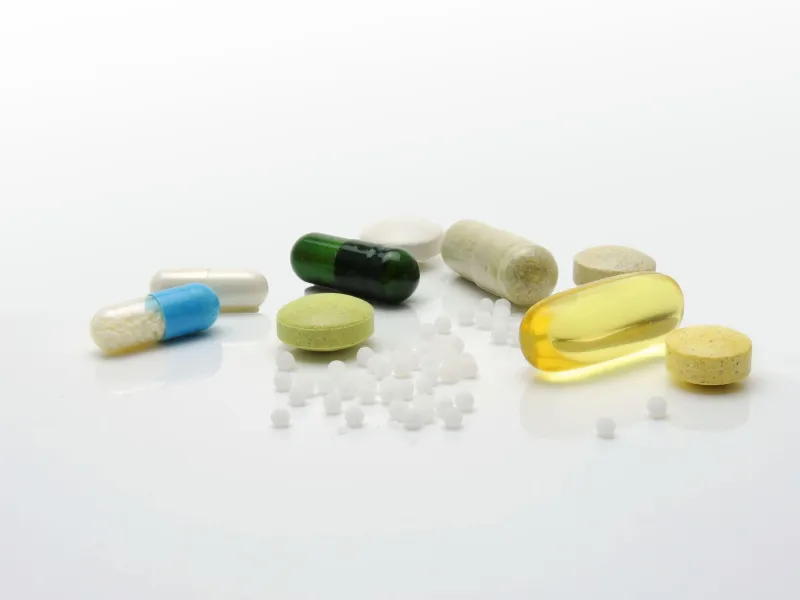
When a prescriber hands you a sertraline prescription, the conversation about drug interactions typically centers on other prescription medications — blood thinners, MAOIs, or other psychiatric drugs. What often goes unmentioned is the full landscape of substances that can interfere with sertraline: the turmeric capsule you take every morning, the NyQuil you reach for during cold season, or the St. John's Wort a well-meaning friend recommended. These interactions are real, clinically significant, and largely preventable with the right information.
This guide is designed as a practical reference — not to alarm you, but to ensure that nothing slips through the cracks when you are managing your mental health treatment.
Why Non-Prescription Products Still Carry Real Risk
The phrase "natural" carries a misleading implication of safety. Many herbal supplements and over-the-counter products contain pharmacologically active compounds — meaning they influence the same biological pathways that sertraline acts on. The fact that no prescription is required does not reduce their potential to cause interactions.
Sertraline works primarily by inhibiting the reuptake of serotonin in the brain, increasing serotonin availability. Any substance that similarly raises serotonin levels — or that affects the liver enzymes responsible for metabolizing sertraline — can alter how the medication behaves in your body.
St. John's Wort: The Most Dangerous Herbal Interaction
St. John's Wort (Hypericum perforatum) is perhaps the most widely recognized herbal supplement for mood support in the United States. It is sold freely in pharmacies and health food stores, and many people use it as a complement — or even an alternative — to conventional antidepressants.
The problem is significant: St. John's Wort has serotonergic activity of its own. When combined with sertraline, this overlap raises the risk of serotonin syndrome, a potentially life-threatening condition characterized by agitation, rapid heart rate, high blood pressure, elevated body temperature, and muscle rigidity. Even at typical supplement doses, the combination is considered contraindicated by most clinical guidelines.
St. John's Wort also induces CYP3A4 and CYP2C9 liver enzymes, which can reduce sertraline blood levels — potentially diminishing its therapeutic effect and creating unpredictable fluctuations in how the medication works.
Bottom line: Do not combine St. John's Wort with sertraline. Inform your prescriber and pharmacist if you have been taking it before starting the medication.
Pain Relievers: NSAIDs and the Bleeding Risk
Nonsteroidal anti-inflammatory drugs (NSAIDs) — including ibuprofen (Advil, Motrin) and naproxen (Aleve) — are among the most commonly used over-the-counter products in the country. They are also among the most important to discuss with your provider when you are on sertraline.
SSRIs like sertraline affect platelet function by reducing serotonin uptake in platelets, which impairs normal clotting. NSAIDs compound this effect by inhibiting a separate clotting mechanism. The combined result is a meaningfully elevated risk of gastrointestinal bleeding — a risk that research suggests is greater than either drug alone.
Occasional use at standard doses may be acceptable for many patients, but regular or high-dose NSAID use while on sertraline warrants a direct conversation with your prescriber. Acetaminophen (Tylenol) is generally considered a safer alternative for pain relief in this context, though it carries its own considerations at high doses.
Cold and Flu Medications: Dextromethorphan and Decongestants
Cold season introduces a category of products that many sertraline users do not think twice about — but should. Two ingredients in particular deserve attention.
Dextromethorphan (DXM) is a cough suppressant found in dozens of popular products, including NyQuil, DayQuil, Robitussin DM, and Mucinex DM. It has weak serotonergic activity and is metabolized by the CYP2D6 enzyme — the same pathway that sertraline significantly inhibits. This means sertraline can cause DXM to accumulate in the body, elevating the risk of serotonin-related side effects. Symptoms of concern include dizziness, agitation, sweating, and confusion.
Pseudoephedrine and phenylephrine, common decongestants in products like Sudafed, can raise blood pressure and heart rate. While not directly serotonergic, these effects can be more pronounced in individuals on SSRIs, particularly those who also have underlying cardiovascular concerns.
When you are sick and reaching for something from the medicine cabinet, checking the active ingredients list — and calling your pharmacist — takes only a few minutes and can prevent unnecessary complications.
5-HTP and Tryptophan: Supplement Aisle Serotonin Boosters
5-hydroxytryptophan (5-HTP) and L-tryptophan are amino acid supplements sold for sleep support, mood enhancement, and appetite regulation. Both are precursors to serotonin, meaning the body converts them into the neurotransmitter directly.
Combining either supplement with sertraline increases the total serotonergic load in the nervous system. Clinical reports have documented serotonin syndrome in patients using this combination, even at doses considered modest by supplement standards. These products should be avoided unless explicitly approved by your prescriber.
Fish Oil, Vitamin E, and Other Blood-Thinning Supplements
High-dose omega-3 fatty acids (fish oil) and vitamin E supplements both have antiplatelet properties. While the risk is generally considered lower than with NSAIDs, combining them with sertraline may further amplify the medication's effect on clotting — particularly relevant for individuals who bruise easily, have a history of GI issues, or are also taking aspirin.
This does not mean fish oil is categorically unsafe on sertraline. Many patients take both without incident. However, dose matters, and your prescriber and pharmacist should be aware of what you are taking.
Melatonin and Valerian Root
Both melatonin and valerian root are popular sleep aids available without a prescription. Melatonin is generally considered low-risk in typical doses (0.5–5 mg), though sertraline may increase melatonin blood levels by inhibiting its metabolism. This can result in more pronounced sedation than expected.
Valerian root has mild sedative properties and limited interaction data. While not known to cause serotonin syndrome, combining it with an antidepressant can contribute to central nervous system depression — particularly relevant if you are also experiencing sertraline-related fatigue or sedation.
How to Build a Safer Supplement Routine
The practical challenge is that most people do not think to mention their vitamins, supplements, or herbal products when discussing their medications — and many providers do not ask. Closing that gap requires a proactive approach.
- Keep a complete list of every supplement, vitamin, OTC medication, and herbal product you take, including dose and frequency.
- Bring that list to every appointment — not just with your prescriber, but with your pharmacist, who is often the most accessible expert on drug interactions.
- Use your pharmacy's medication review service. Many pharmacies in the US offer free consultations specifically for reviewing potential interactions.
- Before adding anything new, consult a pharmacist first. This applies to products marketed as "natural" or "gentle" — pharmacological activity is not determined by marketing language.
- Do not stop sertraline abruptly because of a supplement concern. Contact your provider first.
A Note on Pharmacist Consultations
Pharmacists are among the most underutilized resources in outpatient mental health management. Unlike a physician's office, most pharmacies do not require an appointment for a brief consultation, and pharmacists are specifically trained in drug interaction identification. If you have questions about a specific product and cannot reach your prescriber, your pharmacist is an excellent first contact.
Managing sertraline effectively means accounting for everything in your routine — not just what is written on a prescription pad. The products you choose on your own carry real pharmacological weight, and treating them as part of your overall treatment picture is one of the most practical steps you can take toward a safer, more effective course of care.