The Telehealth Prescription Audit: How to Confirm an Online Sertraline Provider Is Legitimate
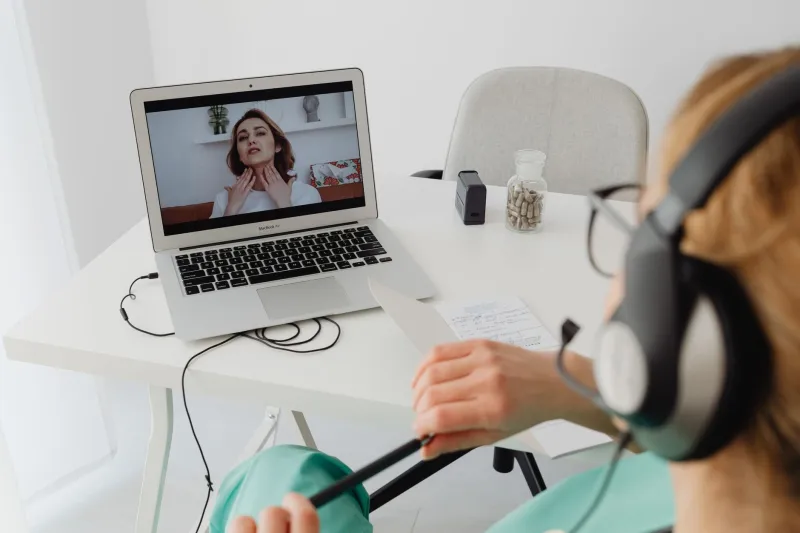
Telehealth prescribing has moved from a pandemic workaround to a permanent feature of American health care. For a generic medication like sertraline, the appeal is obvious: a video visit from the kitchen table, a prescription sent to a local pharmacy, and no waiting room. But the same low barrier that makes online care convenient also makes it easy for a poorly run platform to sell a prescription without providing real clinical care.
Sertraline is not a controlled substance, so the strict in-person examination rules that apply to stimulants and benzodiazepines do not govern it in the same way. That lowers the regulatory threshold—and raises the importance of consumer diligence. The goal is not to avoid telehealth. It is to distinguish a legitimate clinical service from a transaction that merely looks like one.
Start With the License, Not the Landing Page
A prescription is only valid if the clinician who writes it is licensed in the state where the patient is physically located. Before you enter payment information, look for the prescriber's full name, professional credentials, and license number. Then verify that information independently through your state medical board's online lookup tool. The National Provider Identifier registry can confirm that the clinician exists and is associated with the practice.
Be wary of platforms that route patients to a different clinician after checkout without disclosing who will review the intake. A legitimate service will tell you who is responsible for your care and where that person is licensed. If the platform operates across state lines, ask how it matches patients with clinicians who hold the correct state license.
The Intake That Asks Too Little
A thorough sertraline intake should cover more than a checklist of symptoms. It should ask about bipolar disorder, previous manic or hypomanic episodes, suicidal thinking, pregnancy or plans to become pregnant, liver and kidney problems, bleeding disorders, and other medications—especially serotonergic drugs, anticoagulants, and nonsteroidal anti-inflammatory drugs. Alcohol use and recreational drug use matter as well.
Red flags include a questionnaire-only intake with no synchronous video or telephone conversation, a guarantee of approval before any clinician reviews the answers, countdown timers, and pressure to buy a multi-month supply upfront. Equally concerning is a prescriber who does not ask about prior antidepressant trials, current psychotherapy, or your primary care clinician. Sertraline is generally well tolerated, but it is not a medication that should be started on autopilot.
Follow-Up Is Part of the Prescription
Sertraline takes several weeks to reach full effect, and the early period carries predictable risks: activation, nausea, sleep changes, and, in younger adults, a possible increase in suicidal thoughts. A responsible prescriber will schedule a check-in within the first two to four weeks and will explain how to reach the practice between visits.
Ask what happens if you develop side effects or worsening symptoms. A platform that sells a twelve-month supply with no monitoring is selling a product, not providing care. Telehealth can be asynchronous, but it still needs a clear pathway for follow-up, dose adjustment, and urgent concerns.
Pharmacy and Payment Signals
Confirm that the prescription will be sent to a licensed U.S. pharmacy rather than an overseas supplier or a site selling research chemicals. Sertraline is inexpensive, so an unusually high monthly subscription fee is not automatically fraudulent—but you should know what it covers. Ask whether the fee includes clinician visits, messaging, and dose adjustments, or only the prescription itself.
Be cautious with platforms that require a subscription before disclosing the clinician's name or the pharmacy's location. Transparent pricing and clear cancellation terms are basic consumer protections.
Seven Questions to Ask Before You Pay
- Who is the licensed clinician reviewing my intake, and in which state is that person licensed?
- Will I have a live video or telephone visit, or is this questionnaire-only?
- How will the prescriber screen for bipolar disorder and suicide risk?
- When is my first follow-up, and how do I reach the practice if I feel worse?
- Will my primary care clinician receive a record of this prescription?
- Which pharmacy will fill the prescription, and can I use my local pharmacy?
- What is the total cost, including visits and messaging, and how do I cancel?
When Convenience Is Worth It
Telehealth can expand access for people in rural areas, those with limited mobility, and patients who cannot easily take time off work. The standard is not whether care happens online. The standard is whether the same clinical questions are asked, the same follow-up occurs, and the same accountability exists. A short audit before you pay is a reasonable price for that assurance.