The Gut-Brain Connection and Sertraline: How Your Digestive Health May Be Shaping Your Treatment Outcomes
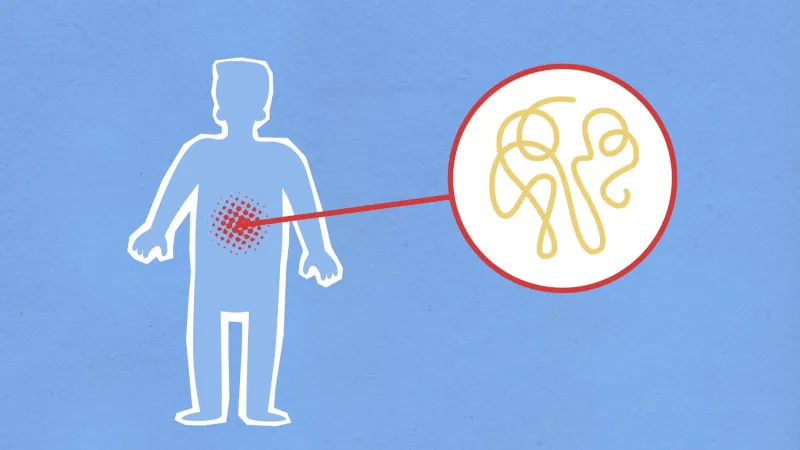
Most people think of sertraline as a brain medication — something that acts on neurotransmitters to regulate mood. That framing is accurate, but incomplete. Before sertraline influences a single serotonin receptor in the central nervous system, it must pass through the gastrointestinal tract, be absorbed through the intestinal lining, and survive first-pass metabolism in the liver. Every stage of that journey is shaped by the condition of your gut.
This is not a peripheral consideration. The gastrointestinal system contains approximately 95 percent of the body's total serotonin — not in the brain, but in the gut. The gut microbiome influences serotonin synthesis. Intestinal inflammation can impair drug absorption. And the bidirectional communication network known as the gut-brain axis connects digestive function to mood, cognition, and medication response in ways that researchers are only beginning to fully characterize.
For patients on sertraline, understanding this relationship is not merely academic. It may help explain variability in treatment response — and open the door to practical, evidence-informed strategies for improving outcomes.
How Sertraline Is Absorbed and Why the Gut Matters
Sertraline is an orally administered medication, meaning it enters the body through the digestive system. After swallowing a tablet or capsule, the drug dissolves in the stomach and is absorbed primarily in the small intestine. From there, it travels via the portal vein to the liver, where a portion of the drug is metabolized before it ever enters systemic circulation — a process called first-pass metabolism.
The bioavailability of sertraline — that is, the proportion of the administered dose that actually reaches the bloodstream and becomes pharmacologically active — is influenced by several gastrointestinal variables:
- Gastric emptying rate: How quickly the stomach passes its contents to the small intestine affects how rapidly and completely sertraline is absorbed.
- Intestinal transit time: Faster gut motility can reduce absorption time; slower motility may prolong it.
- Intestinal permeability: The integrity of the gut lining affects how efficiently compounds are absorbed.
- Concurrent food intake: Sertraline absorption increases when taken with food — a fact that has direct clinical relevance for dosing consistency.
The practical implication is that the gastrointestinal environment is not a passive conduit. It actively shapes how much sertraline reaches the brain, and disruptions to that environment can translate into variability in how the medication performs.
The Microbiome: A Regulator of Serotonin Production
The human gut microbiome — the complex ecosystem of bacteria, fungi, and other microorganisms residing in the digestive tract — plays a more significant role in mental health pharmacology than was appreciated even a decade ago.
Research has established that certain gut bacteria are involved in the production of serotonin precursors, particularly tryptophan and its metabolite 5-HTP. Gut microbes influence how much tryptophan is available for conversion to serotonin, and they produce short-chain fatty acids and other metabolites that affect the cells lining the intestine — including enterochromaffin cells, which are responsible for the vast majority of the body's serotonin synthesis.
In animal studies, germ-free mice (those raised without any gut bacteria) show significantly altered serotonin levels and atypical responses to SSRIs. While human research is more complex and less conclusive, several observational studies have found associations between microbiome composition and antidepressant treatment outcomes. Patients with certain microbial profiles appear more likely to respond to SSRIs than those with different compositions.
This does not mean your microbiome determines whether sertraline works for you. It does suggest that gut health is a relevant variable in the broader picture of treatment response — one worth attending to.
Gastrointestinal Side Effects: More Than an Inconvenience
Nausea, diarrhea, and gastrointestinal discomfort are among the most commonly reported side effects of sertraline, particularly during the first few weeks of treatment. These symptoms are typically attributed to sertraline's activity on serotonin receptors in the gut — the same receptors involved in regulating intestinal motility.
For most patients, these effects are temporary. However, persistent GI symptoms can indirectly affect treatment adherence and absorption. Diarrhea, for instance, accelerates intestinal transit and may reduce the time available for sertraline to be absorbed fully. Patients who experience significant ongoing GI symptoms should raise this with their prescriber, as it may be a factor in suboptimal response.
Diet, Fiber, and Medication Absorption
Dietary patterns influence both microbiome composition and the gastrointestinal conditions through which sertraline is absorbed. Several specific considerations are worth noting.
Food and Sertraline Absorption
Clinical studies have shown that taking sertraline with a meal — particularly one containing some fat — increases the drug's bioavailability compared to fasting conditions. The effect is not dramatic, but it is consistent. More importantly, taking the medication at the same time each day, under similar dietary conditions, promotes more stable blood levels. Inconsistent timing and variable meal patterns can contribute to fluctuating drug concentrations.
Dietary Fiber and the Microbiome
High dietary fiber intake feeds the beneficial bacteria that produce short-chain fatty acids — compounds that support intestinal barrier integrity, reduce gut inflammation, and contribute to a microbial environment associated with better overall health. A diet low in fiber and high in ultra-processed foods is consistently associated with reduced microbial diversity, which some researchers have linked to poorer mental health outcomes and potentially reduced SSRI responsiveness.
Adopting a fiber-rich dietary pattern — emphasizing vegetables, legumes, whole grains, and fruits — supports the kind of microbiome composition associated with healthier gut function. This is not a substitute for medication, but it is a meaningful complementary strategy.
Fermented Foods and Probiotics
Fermented foods such as yogurt, kefir, kimchi, sauerkraut, and kombucha introduce live bacterial cultures into the gut. Probiotic supplements offer a more concentrated version of the same principle. Early research — including a notable 2019 study published in Nature Microbiology — has explored links between specific bacterial genera and depression, suggesting that microbiome modulation may eventually play a role in psychiatric treatment.
The current evidence does not support recommending specific probiotic strains as an adjunct to sertraline treatment. However, for patients with documented gut dysbiosis (imbalanced microbiome composition), inflammatory bowel conditions, or a history of antibiotic-associated GI disruption, addressing microbiome health with a healthcare provider is reasonable and may have indirect benefits for overall treatment response.
Inflammatory Gut Conditions and Antidepressant Efficacy
Patients with inflammatory bowel disease (IBD), irritable bowel syndrome (IBS), or other chronic gastrointestinal conditions may face particular challenges with sertraline. Intestinal inflammation can impair mucosal absorption, alter gut motility, and disrupt the microbial environment — all of which can affect drug bioavailability.
Interestingly, sertraline and other SSRIs are sometimes prescribed to patients with IBS specifically because of their effects on gut serotonin signaling. The relationship is bidirectional: gut health affects sertraline's performance, and sertraline may, in turn, influence gut function. Patients managing both a GI condition and a mood or anxiety disorder should ensure that both their gastroenterologist and their prescriber are aware of all treatments in use.
Practical Steps for Optimizing Your Gut Health on Sertraline
The following recommendations are grounded in current evidence and are appropriate to discuss with your healthcare provider:
- Take sertraline consistently — at the same time each day, ideally with a light meal, to minimize absorption variability.
- Prioritize dietary fiber from whole food sources to support a diverse, functional microbiome.
- Limit ultra-processed foods and excess sugar, which are associated with reduced microbial diversity and gut inflammation.
- Report persistent GI side effects to your prescriber rather than tolerating them. Persistent symptoms may be affecting your drug levels.
- Discuss probiotic use with your provider if you have a history of antibiotic use, GI conditions, or documented dysbiosis.
- Stay hydrated — adequate fluid intake supports intestinal motility and overall digestive function.
- Avoid unnecessary NSAID use, which can damage the gut lining and affect absorption.
A Broader View of Treatment
The gut-brain axis represents a genuine frontier in psychiatric pharmacology. While clinical recommendations in this area continue to evolve, the foundational insight is already actionable: sertraline does not operate in isolation from the body's digestive system, and maintaining good gastrointestinal health is a meaningful part of optimizing your treatment.
If you have concerns about how your digestive health may be affecting your medication, bring them to your prescriber or pharmacist. The conversation between your gut and your brain is ongoing — and so is the science seeking to understand it.