DNA Is Not a Crystal Ball: What Pharmacogenomic Testing Can and Cannot Say About Sertraline
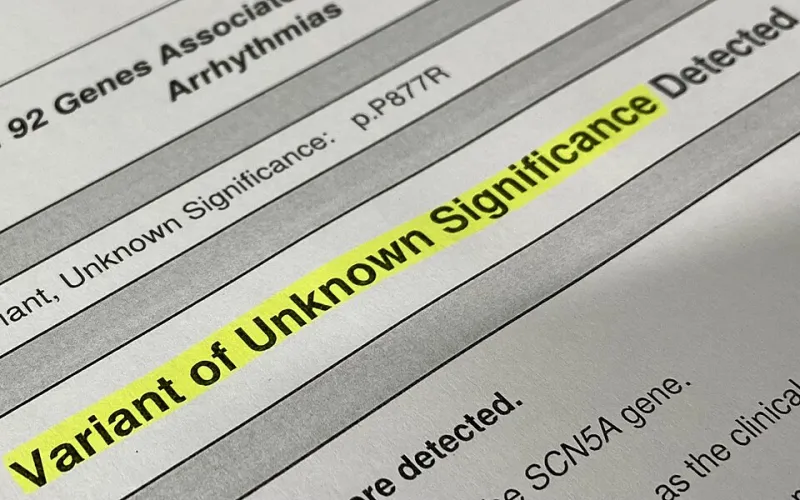
Photo: Sgroey, CC BY-SA 4.0, via Wikimedia Commons
Pharmacogenomic testing has moved from specialist laboratories into consumer advertising. Patients considering sertraline may encounter DNA kits that claim to identify the best antidepressant or predict who will experience side effects. The subject is legitimate and clinically interesting, but the claims surrounding it often outrun the evidence. Genetic testing can provide useful information about how a person may metabolize certain medications. It cannot tell the full story of how sertraline will work for a particular patient.
What the Test Actually Measures
Pharmacogenomic tests examine variations in genes that code for drug-metabolizing enzymes. For sertraline, the most discussed gene is CYP2C19. Sertraline is metabolized primarily through CYP2C19, with contributions from other enzymes including CYP2B6 and CYP3A4. CYP2D6 plays a smaller role for sertraline, although it is more central to some other antidepressants.
A report may classify a person as a poor, intermediate, normal, rapid, or ultrarapid metabolizer for a given enzyme. In general, poor metabolizers may have higher medication levels at a standard dose, while ultrarapid metabolizers may have lower levels. For CYP2C19 poor metabolizers, some clinical guidelines suggest that a lower starting dose or closer monitoring may be reasonable for certain medications. For sertraline specifically, the evidence is more limited than marketing materials sometimes imply, and clinical judgment remains essential.
What It Cannot Predict
A genetic result does not predict whether sertraline will relieve depression or anxiety. It does not predict emotional blunting, sexual side effects, sleep disruption, weight change, or discontinuation symptoms. It cannot account for age, liver function, kidney function, diet, smoking, alcohol use, pregnancy, drug interactions, adherence, or the many psychosocial factors that shape treatment response.
This distinction matters because patients often interpret a DNA report as a verdict. A result labeled compatible may create false confidence, while a result labeled caution may cause unnecessary fear. Genes influence pharmacokinetics, meaning how the body processes a drug. They do not determine the complex neurobiological and personal factors that influence whether a medication helps.
Direct-to-consumer companies also vary in which genes they test, how they interpret variants, and how much clinical context they provide. Some reports are generated by laboratories with appropriate certifications, while others are less transparent. A report that lists a CYP2C19 variant is not the same as a clinical recommendation about sertraline.
Insurance Coverage and Access in the US
As of 2026, insurance coverage for pharmacogenomic testing remains inconsistent. Some commercial plans cover testing for specific medications under specific conditions, often with prior authorization. Medicare and Medicaid coverage varies by plan and state. Many patients pay out of pocket, and prices vary widely depending on the laboratory and the number of genes tested.
Before ordering a test, patients should ask whether the laboratory is CLIA-certified, whether the test is clinically validated for the genes in question, and whether the results will be interpreted by a clinician. A low-cost online kit may not include the same depth of interpretation as a test ordered through a health system. It is also worth asking whether the results will be placed in the medical record and whether the prescriber will actually use them.
How to Use Results Wisely
Pharmacogenomic results are best treated as one input among many. A patient can bring the report to a prescriber and ask specific questions: Does this result change anything about how we should start or monitor sertraline? Are there drug interactions or other factors that matter more? What would you do differently if we did not have this result? What symptoms should prompt a call?
It is not advisable to change a dose or stop a medication based on a raw genetic report alone. Sertraline decisions should account for the patient's diagnosis, symptom severity, prior treatment history, side effects, preferences, and safety. A genetic variant may support a slower titration or closer follow-up, but it does not replace clinical assessment.
Questions to Ask Before Testing
Consider asking: Which genes will be tested, and are they relevant to sertraline? Is the laboratory CLIA-certified? Will my insurance cover this, and what will I pay? Who will interpret the results with me? How have these results changed care for other patients in this practice? What will we do if the result is ambiguous or unexpected?
Pharmacogenomic testing can be a useful conversation starter. It should not be the conversation stopper. For sertraline, DNA is a piece of information, not a crystal ball.