Sertraline and Your Skin: The Dermatological Side Effects Patients Rarely Expect
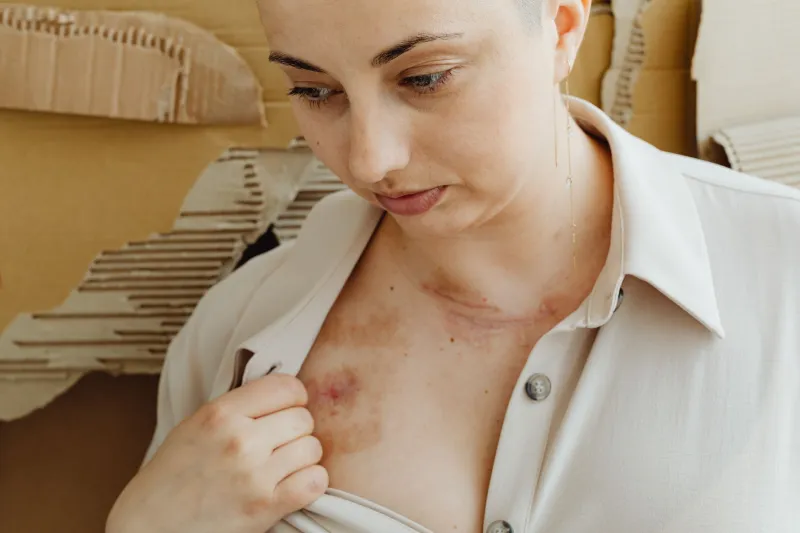
When people research sertraline before starting treatment, they typically focus on the well-documented concerns: nausea, sleep changes, sexual side effects, potential weight fluctuations. What they rarely anticipate is a change in their skin. Yet dermatological reactions — ranging from mild irritation to more significant conditions — are documented in the medical literature and reported by patients with enough regularity to warrant serious attention.
This guide examines what the evidence shows about sertraline's effects on skin, why these reactions occur, and what you can do about them.
How SSRIs Can Affect Skin Biology
The skin is not merely a passive surface. It contains serotonin receptors and is part of the body's broader neuroimmune system. Serotonin plays a role in regulating inflammation, wound healing, and even sebaceous (oil) gland activity. When sertraline increases serotonergic activity throughout the body — not just in the brain — it can produce effects in skin tissue that are both direct and indirect.
Indirect effects are also significant. Sertraline can alter hormone regulation, immune responses, and autonomic nervous system activity, all of which have downstream consequences for skin health. The picture is rarely simple, which is part of why dermatological side effects are easy to overlook or misattribute.
Acne and Skin Breakouts
Some patients beginning sertraline treatment notice new or worsening acne, particularly in the first few weeks. This is not universally reported — many patients experience no skin changes at all — but it is documented frequently enough to appear in clinical case literature.
The proposed mechanisms include:
- Hormonal shifts: Serotonin interacts with the hypothalamic-pituitary-adrenal axis. Changes in cortisol regulation and androgen activity can influence sebum production, which is a primary driver of acne.
- Immune modulation: SSRIs have known immunomodulatory properties. In some individuals, changes in inflammatory signaling may affect the skin's response to acne-causing bacteria.
- Stress-response changes: As sertraline begins to alter mood and anxiety, some patients experience paradoxical agitation early in treatment, which can spike cortisol and temporarily worsen breakouts.
For most patients who experience sertraline-related acne, the breakouts are transient — appearing in the first one to four weeks and resolving as the body adjusts. However, for a subset of individuals, the issue persists and may require dermatological intervention.
Unexplained Rashes
Rashes are among the more concerning dermatological reactions associated with sertraline, and they exist on a spectrum from minor to medically significant.
Mild, non-specific rashes — small, itchy patches that appear on the torso or extremities — are occasionally reported and may reflect a general hypersensitivity response. These often resolve on their own or with the use of an antihistamine.
Drug hypersensitivity reactions are more serious. In rare cases, sertraline can trigger an immune-mediated response that produces a widespread rash, hives (urticaria), or, in very rare instances, conditions such as Stevens-Johnson Syndrome — a severe mucocutaneous reaction that requires immediate emergency care. Any rash accompanied by fever, blistering, mucous membrane involvement, or difficulty breathing warrants urgent medical attention and should not be managed with home remedies.
If you develop a new rash after starting or increasing sertraline, document it with photographs if possible, note when it appeared relative to your dose, and contact your prescriber promptly.
Photosensitivity: A Frequently Missed Effect
Sertraline and other SSRIs have been associated with increased sensitivity to ultraviolet light. This photosensitivity can manifest as:
- Sunburn that develops more quickly or severely than expected
- A rash or redness appearing specifically on sun-exposed areas
- Heightened skin reactivity during outdoor activities
The mechanism is not entirely understood, but it is thought to involve changes in the skin's inflammatory response to UV radiation. This effect is particularly relevant for patients in sun-intensive environments — those living in the South or Southwest, individuals who work outdoors, or anyone who spends significant time outside during peak UV hours.
Practical management is straightforward: apply broad-spectrum SPF 30 or higher sunscreen daily, wear protective clothing, and avoid prolonged sun exposure during midday hours. These are good habits for anyone, but they become especially important while taking sertraline.
Sweating and Skin Texture Changes
Excessive sweating (hyperhidrosis) is one of the more commonly reported physical side effects of sertraline, and while it is not a rash or a lesion, it has real consequences for skin health. Persistent moisture on the skin can create conditions favorable to fungal infections, folliculitis, and irritation — particularly in skin folds or areas covered by tight clothing.
Some patients also report subtle changes in skin texture or oiliness, which may be related to the same hormonal and autonomic mechanisms described above. These effects are generally mild and manageable.
Timeline and What to Expect
Many dermatological side effects of sertraline are front-loaded — most pronounced in the first two to six weeks of treatment and diminishing as the body adjusts. This is true of acne flares, mild rashes, and some photosensitivity reactions.
However, effects that persist beyond the adjustment period, worsen over time, or significantly affect quality of life should not simply be waited out. Persistent skin changes are a legitimate clinical concern and deserve direct discussion with your prescriber.
When to Involve a Dermatologist
If sertraline-related skin effects are not resolving on their own, a referral to a dermatologist can be valuable. A dermatologist can:
- Confirm whether the skin condition is medication-related or coincidental
- Provide targeted treatment (topical retinoids for acne, prescription antihistamines for persistent urticaria, etc.)
- Communicate with your prescriber about whether a dose adjustment or medication change is warranted
You do not have to choose between your mental health and your skin. In most cases, a collaborative approach between your prescribing provider and a dermatologist can address both.
When Switching Medications May Be Appropriate
If dermatological symptoms are severe, persistent, or significantly impacting your daily life, a medication change may be the most reasonable path forward. Different SSRIs have different chemical structures and slightly different side effect profiles. A patient who develops persistent acne or rashes on sertraline may tolerate escitalopram or fluoxetine without the same skin-related issues.
This decision should always be made collaboratively with your prescriber, with an appropriate tapering schedule for sertraline and careful monitoring as a new medication is introduced.
This article is for educational purposes only and is not a substitute for professional medical or dermatological advice. If you are experiencing skin changes you believe may be related to your medication, consult your healthcare provider.