Eating Around Your Antidepressant: A Food-First Strategy for Sertraline Nausea and Digestive Trouble
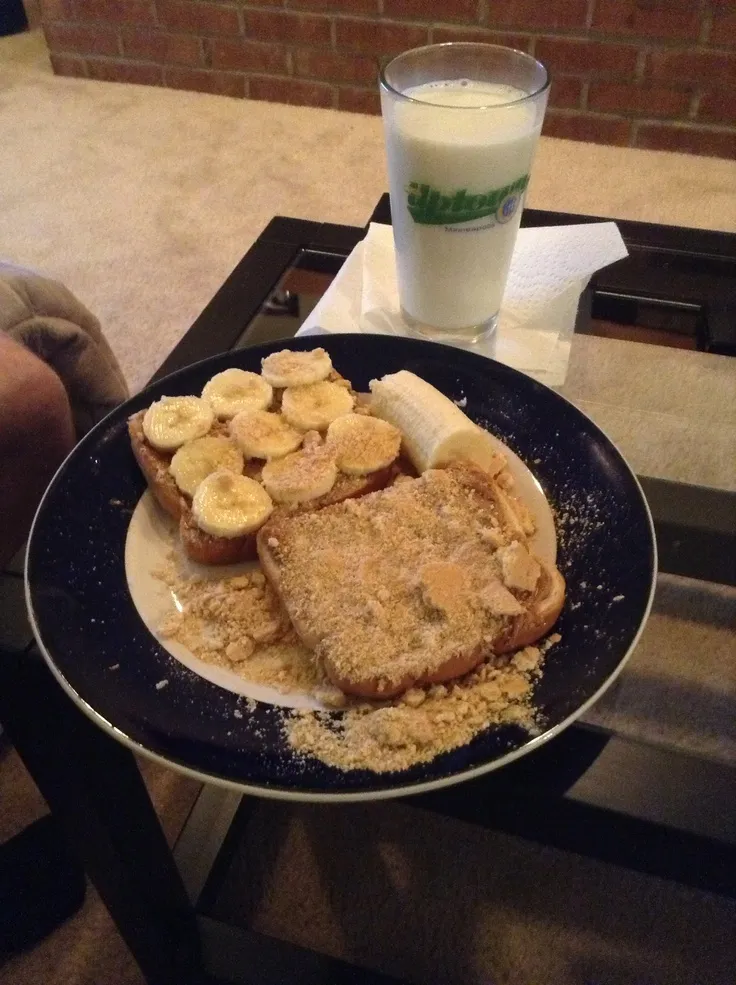
Photo: bland foods bananas toast crackers ginger tea on tray, via i.pinimg.com
Ask any prescriber which side effect drives early sertraline discontinuation, and the answer is almost always the same: nausea. For many patients, the queasiness, loose stools, and general GI rebellion of the first two to four weeks feel less like a side effect and more like a stomach flu that won't quit. The encouraging news is that what and when you eat can meaningfully blunt these symptoms — and a few well-known food warnings deserve a clearer explanation than most patients get.
Why Sertraline Upsets Your Stomach in the First Place
Sertraline stimulates serotonin receptors throughout the gastrointestinal tract, not just in the brain. In fact, roughly 95% of your body's serotonin lives in the gut, where it regulates motility and secretion. When an SSRI raises serotonin levels, the digestive system can respond with cramping, nausea, and diarrhea until it adapts. This is a normal, usually temporary adjustment — but knowing the mechanism helps, because it reframes the discomfort as physiology rather than a sign the medication is wrong for you.
Take It With Food — But Which Food?
Taking sertraline with food slows absorption slightly and reduces the peak concentration hitting your gut lining, which translates directly into less nausea for most people. The ideal companion is a modest snack containing some fat and complex carbohydrate — not a heavy meal, which can worsen bloating, and not an empty stomach, which maximizes irritation.
Good options include:
- Half a bagel with cream cheese
- A banana with a spoonful of peanut butter
- A handful of crackers with cheese
- Oatmeal with a splash of milk
- Toast with avocado
Consistency matters too. Taking your dose at the same meal every day helps you remember it and gives your gut a predictable rhythm.
A Survival Menu for the First Few Weeks
When everything sounds unappetizing, lean on bland, low-fat, easy-to-digest foods — the same logic as the BRAT diet, but broader:
Breakfast: Dry toast or plain oatmeal; ginger tea on the side
Lunch: Rice with baked chicken or tofu; saltines with broth
Dinner: Mashed potatoes, scrambled eggs, or a simple noodle soup
Snacks: Applesauce, bananas, pretzels, plain yogurt
Sip all day: Water, ginger ale, peppermint or ginger tea. Dehydration worsens nausea, and frequent small sips are easier on a queasy stomach than big glasses.
Foods to temporarily avoid: fried and greasy dishes, very spicy meals, large portions of raw vegetables, and anything acidic like orange juice on an empty stomach. Coffee can aggravate both nausea and the anxiety-like jitters some patients feel early on, so consider trimming your intake for a few weeks.
Grapefruit, Tyramine, and St. John's Wort: Separating Fact From Folklore
Grapefruit. Grapefruit inhibits the CYP3A4 enzyme, which is involved in sertraline metabolism. The interaction with sertraline is weaker than with some other medications, but most clinicians still advise caution: regular grapefruit or grapefruit juice consumption could theoretically raise sertraline levels and side effects. Seville oranges and pomelos have similar properties. If you love citrus, lemons, limes, and standard oranges are safe.
Tyramine-rich foods. The strict tyramine restrictions — aged cheeses, cured meats, fermented foods — apply to MAO inhibitors, not SSRIs. You do not need to give up your aged cheddar on sertraline. That said, very heavy, fermented, or aged meals can independently worsen GI discomfort during the adjustment period, so moderation helps for comfort's sake.
St. John's Wort. This one is not folklore — it's a genuine danger. The herbal supplement St. John's Wort raises serotonin and, combined with sertraline, can trigger serotonin syndrome: agitation, rapid heart rate, high blood pressure, tremor, and in severe cases, a medical emergency. It also accelerates sertraline clearance, undermining your treatment. If you take any herbal product for mood, tell your prescriber before combining it with your prescription.
When Digestive Issues Persist
Most sertraline-related GI side effects resolve within two to four weeks. If yours don't, several adjustments are worth discussing with your prescriber: lowering the starting dose and titrating up slowly, switching from tablets to the oral solution, or moving your dose to the evening if that suits your stomach better. Persistent symptoms beyond a month aren't something to simply endure — they're a reason to check in.
Your stomach and your brain talk to each other constantly. Feed both well during the adjustment period, and the early weeks of sertraline become far more survivable.